
Table of Contents
Introduction: Meet the Marine Iguana
The Marine Iguana (Amblyrhynchus cristatus) is one of the most fascinating and unusual reptiles on the planet. Endemic to the Galápagos Islands, this remarkable lizard has carved out a niche that no other reptile occupies — it is the only lizard in the world that forages in the ocean. With its dark, scaly appearance, spiny dorsal crest, and salt-encrusted snout, the marine iguana may look intimidating at first glance, but it’s a peaceful herbivore that spends much of its life basking in the sun or grazing on underwater algae. This highly specialized creature offers a rare glimpse into how evolution can shape animals in extreme and isolated environments.
Why It Stands Out in the Reptile World
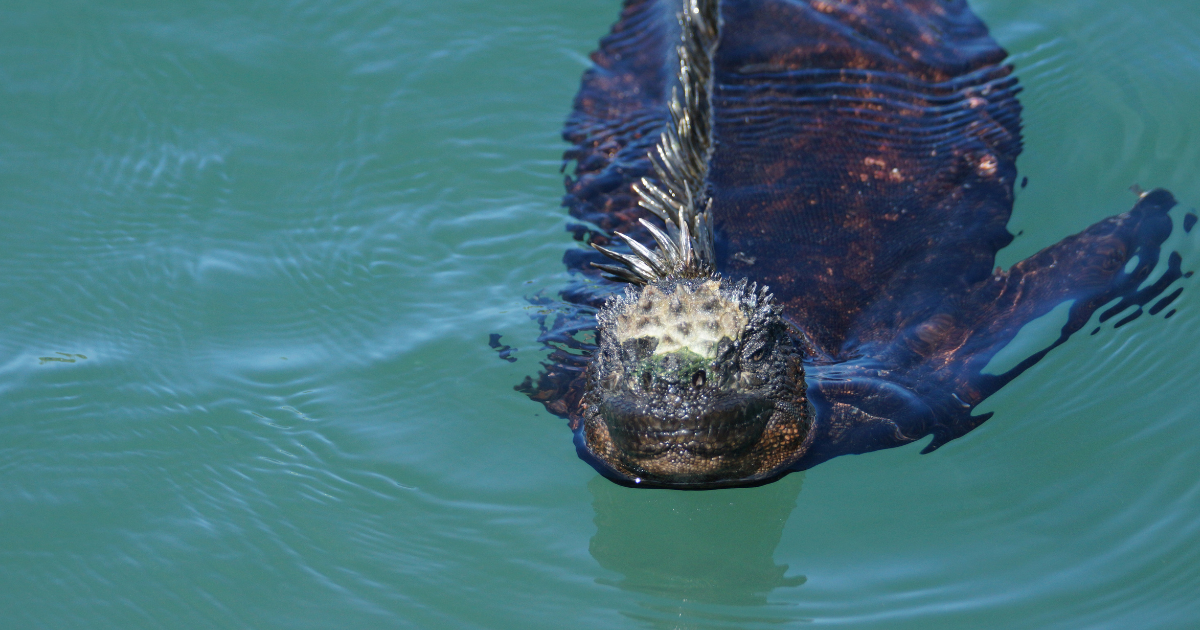
What makes the Marine Iguana truly extraordinary is its unique adaptation to marine life. While most lizards are strictly land dwellers, the marine iguana is a skilled diver and swimmer, capable of holding its breath for up to 30 minutes and diving as deep as 20 meters. It feeds almost exclusively on marine algae, scraping it off rocks in the intertidal zone. Its flattened tail acts like a rudder, and its powerful limbs help it cling to slippery rocks underwater. Another amazing feature is its salt-excreting glands, which allow the marine iguana to survive in a high-salinity environment by sneezing out excess salt. These exceptional traits not only make the marine iguana a marvel of adaptation but also a symbol of the Galápagos Islands’ unique biodiversity.
Where They Live: Habitat and Distribution
The Galapagos Connection
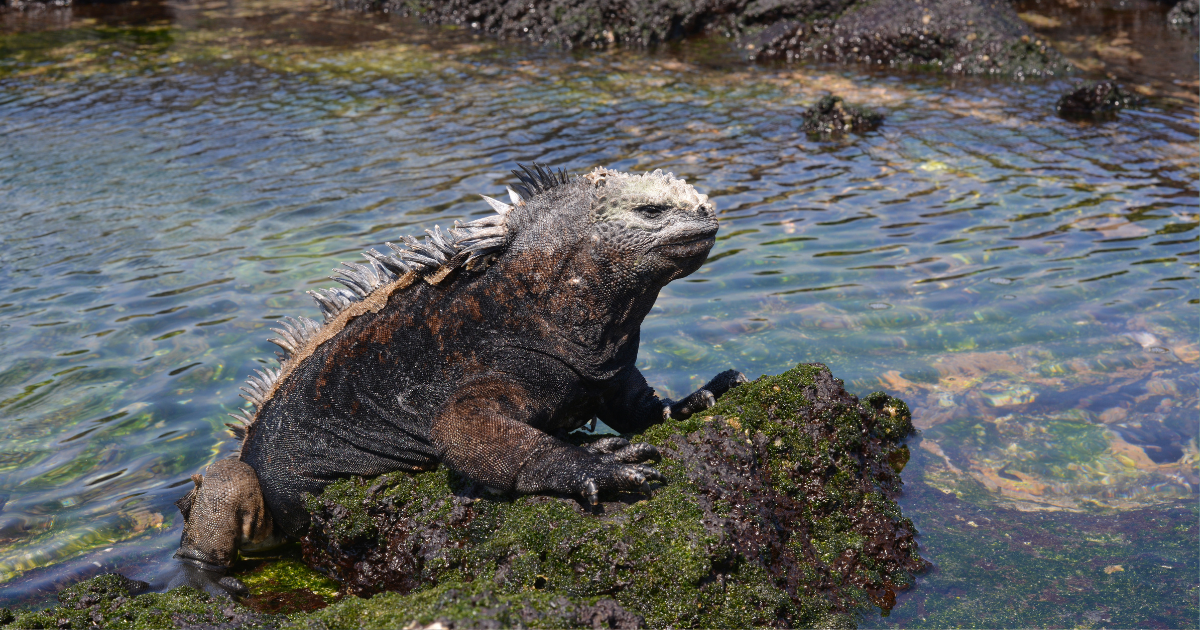
The Marine Iguana is found nowhere else in the world except the Galápagos Islands, making it one of the most iconic and geographically restricted reptiles on Earth. Each of the islands supports its own population of marine iguanas, often with subtle differences in size, coloration, and behavior — a textbook example of microevolution in action. These reptiles are most commonly spotted lounging on lava rocks near the shoreline, where they can soak up the sun after their cold-water foraging dives. The volcanic terrain of the Galápagos provides the perfect habitat: rocky coastlines for basking, intertidal zones for feeding, and sandy areas for nesting.
Coastal Preferences and Nesting Areas
Marine iguanas thrive along the rocky coastlines of the Galápagos, where waves crash over tide pools and algae grow abundantly. These coastal zones are essential for their survival, as they provide both food and refuge from predators. Iguanas often nest inland in sandy or volcanic soil, where females dig burrows to lay their eggs. Nesting sites are usually found near the coast but high enough to avoid flooding during high tides. The success of these nesting areas is vital to maintaining healthy populations, especially as climate change and human disturbance begin to impact the fragile island ecosystems. Preserving these coastal habitats is key to ensuring the long-term survival of the marine iguana.
Evolutionary Origins
From Land to Sea: A Reptilian Leap
The Marine Iguana is a striking example of how isolation and natural selection can produce truly unique adaptations. Scientists believe that marine iguanas evolved from a common ancestor shared with the land iguanas of South America, which likely drifted to the Galápagos Islands millions of years ago. Over time, a portion of the population adapted to a marine lifestyle, exploiting the rich algal resources in the ocean — a niche that no other reptile had ever occupied. Through generations, these iguanas developed flattened tails for swimming, long claws for gripping rocks, and salt glands to expel the excess salt ingested during feeding. This evolutionary leap from land to sea has made the marine iguana a one-of-a-kind species in the reptile world.
Darwin’s Fascination with Marine Iguanas
When Charles Darwin visited the Galápagos Islands in 1835, the marine iguana instantly caught his attention. In his writings, Darwin described them as “imps of darkness,” noting their unusual appearance and behavior. Though he found them somewhat grotesque, he was fascinated by their ability to swim and feed underwater — a stark contrast to the typical land-based reptiles he had encountered elsewhere. His observations of the marine iguana, along with other species in the Galápagos, played a pivotal role in shaping his theory of evolution by natural selection. Today, the marine iguana remains a living symbol of the evolutionary processes that Darwin helped to uncover.
Unique Adaptations to Marine Life
Salt Glands and Sneezing
One of the most fascinating adaptations of the Marine Iguana is its ability to regulate salt intake. Since it feeds in the ocean, it inevitably swallows saltwater. To survive in such a saline environment, marine iguanas have developed specialized salt glands located above their eyes. These glands extract excess salt from the bloodstream, which is then forcibly expelled through the nostrils — often with a loud sneeze! This behavior is so frequent that many marine iguanas appear to have a white crust of salt around their faces, giving them a unique and slightly otherworldly look. This adaptation is critical for maintaining their internal balance in a habitat few reptiles could survive.
Flattened Tails and Strong Limbs
Unlike their land-based cousins, marine iguanas have laterally flattened tails that act like paddles, allowing them to swim efficiently through the water. Their movements are graceful and fluid beneath the waves, resembling those of marine mammals. In addition, they have strong, clawed limbs that enable them to cling tightly to slippery rocks in the turbulent intertidal zones where they feed. These physical adaptations give the marine iguana an edge in its harsh environment, helping it resist strong currents and avoid being swept out to sea while foraging.

Thermoregulation and Basking Behavior
Being cold-blooded reptiles, marine iguanas must rely on external sources of heat to regulate their body temperature. After diving into the frigid Pacific waters to graze on algae, they emerge and bask on sun-warmed rocks, often flattening their bodies to absorb maximum heat. Their dark skin aids in heat absorption, allowing them to quickly warm up and regain mobility. This thermoregulatory behavior is crucial, as a marine iguana that remains cold too long can become lethargic and vulnerable to predators. These clever adaptations to both land and sea make the marine iguana a true evolutionary marvel.
Diet and Feeding Habits
Algae: A Reptile’s Seafood Diet
The Marine Iguana is the only reptile on Earth that feeds almost exclusively on marine algae. Unlike most lizards that eat insects or plants on land, marine iguanas dive into the ocean to graze on algae growing on underwater rocks. Their blunt snouts and sharp, tricuspid teeth are perfectly adapted for scraping algae off hard surfaces. Green and red algae make up the bulk of their diet, providing essential nutrients for survival. During periods of low food availability, marine iguanas have been observed adjusting their gut microbiota and even shrinking in size, a remarkable example of physiological adaptation.
Diving Techniques and Foraging Strategies
Marine iguanas are skilled divers, with larger males often venturing deeper and longer underwater to access food. They can dive as deep as 20 meters and hold their breath for up to 30 minutes, though most dives are shorter. Smaller iguanas and females tend to feed in the intertidal zone during low tide to avoid the energy cost and risks of deeper dives. Their ability to navigate strong currents, time their foraging with tidal changes, and maintain precise control of their body temperature makes their underwater foraging both highly strategic and energy-efficient. These behaviors highlight the marine iguana’s unique role in the ecosystem and its finely tuned relationship with the ocean.
Social Behavior and Reproduction
Territorial Males and Head Bobbing
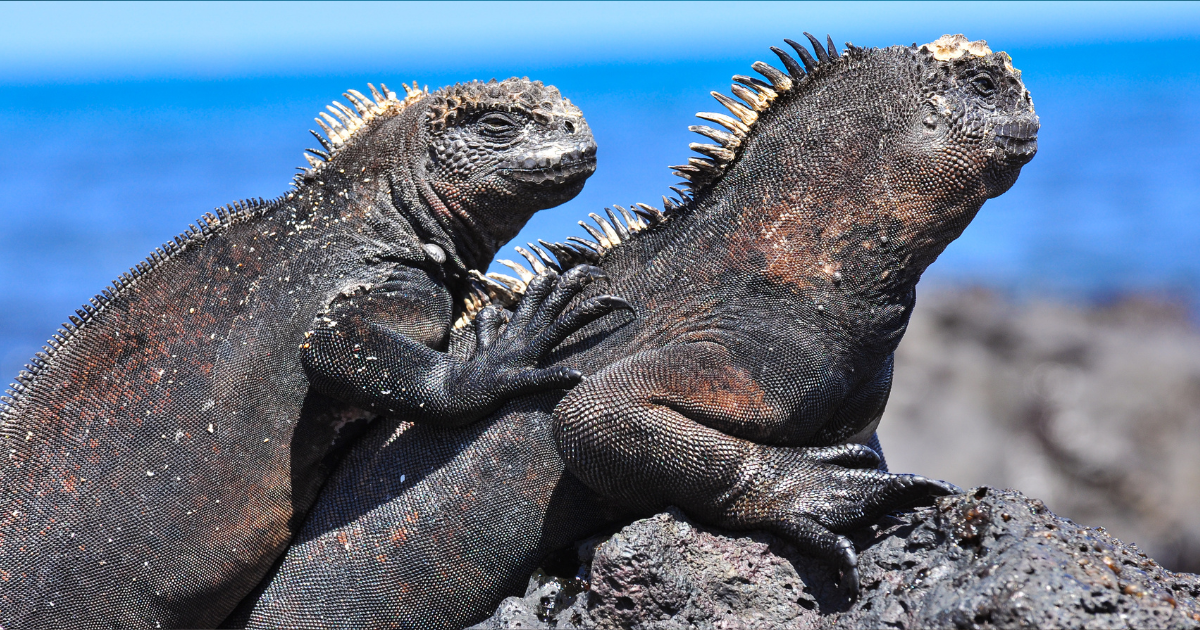
The social structure of Marine Iguanas is highly territorial, especially among the males. During the breeding season, dominant males establish and defend territories along the best basking and feeding sites. They engage in head-bobbing displays to assert their dominance over rivals, often puffing up their bodies and making loud, low grunts. This head-bobbing behavior is a visual signal, indicating their fitness and willingness to compete for mating opportunities. Smaller males tend to adopt sneaky strategies, such as approaching the females when the dominant male isn’t watching. These behaviors ensure that only the fittest males have the chance to reproduce, maintaining genetic diversity within the population.
Mating Season and Nesting
The mating season of Marine Iguanas is a highly ritualized event. Females are typically smaller than males and have a less dominant role in territorial disputes. During mating season, males compete fiercely for access to females, using both physical strength and display behaviors. After mating, females venture inland to dig nesting burrows, where they lay 1 to 6 eggs in sandy or volcanic soil. The incubation period for marine iguana eggs can range from 2 to 4 months, with hatchlings emerging during the rainy season, when conditions are more favorable for survival. Nesting sites are crucial for the survival of the next generation, and any disturbance to these areas can have significant impacts on population numbers.
Fascinating Facts About Marine Iguanas
The Only Swimming Lizard
One of the most remarkable facts about the Marine Iguana is that it is the only lizard in the world that swims. Unlike other reptiles, which are primarily land-dwellers, the marine iguana has evolved to thrive in the ocean. It is perfectly adapted for underwater foraging, using its long claws to grip rocks and its flattened tail to propel itself through the water. This ability to forage underwater for algae makes the marine iguana a unique and fascinating species in the reptile world.
Extreme Cold Tolerance
Another fascinating adaptation of the Marine Iguana is its cold tolerance. The cold waters of the Pacific Ocean can reach temperatures as low as 15°C (59°F), but the marine iguana is able to dive into these frigid waters to feed. Afterward, they must bask in the sun to warm up, as their cold-blooded nature makes them dependent on external heat sources. Interestingly, the marine iguana’s heart rate drops dramatically during long dives, allowing it to conserve energy and endure the cold for extended periods.
Color Changes with Seasons
Marine iguanas exhibit seasonal color changes that are most prominent during the breeding season. Males, in particular, develop bright red and green hues to attract females. These colorful displays are not only visually striking but also serve as a sign of the male’s fitness and genetic health. During the rest of the year, their colors are more subdued, typically dark and grayish, which helps them blend in with the rocky landscape while basking or resting.

Social Sneezing
As previously mentioned, marine iguanas have salt glands that help them expel excess salt from their bodies, which they do through sneezing. This behavior is so common among the species that you can often see groups of marine iguanas sneezing simultaneously, creating an almost comical scene. These sneezes not only help maintain the iguana’s health but also contribute to its distinct appearance, as the expelled salt often leaves a white crust around the face.
Why Marine Iguanas Matter to the Ecosystem
Vital Role in Algae Control
The Marine Iguana plays a critical role in the health of the Galapagos Islands’ marine ecosystem. By feeding on marine algae, these iguanas help control algae growth and prevent overgrowth that could smother coral reefs and other marine plants. In this way, they maintain a balance in the local ecosystem, allowing other species to thrive. The iguanas’ feeding habits help regulate algae populations, which in turn supports the overall marine biodiversity of the region. Without the marine iguana, unchecked algae growth could disrupt the delicate balance of the islands’ intertidal zones.
A Source of Nutrients for Other Species
The presence of Marine Iguanas also contributes to the nutrient cycling within the ecosystem. As these reptiles consume algae and then excrete waste, they return vital nutrients to the surrounding environment, enriching the soil and waters around their habitats. This nutrient cycling benefits a variety of organisms, from plants to smaller marine animals, which rely on these nutrients for growth. The marine iguana, therefore, has an indirect but important impact on the entire food web in the Galápagos.
Indicator Species for Environmental Health
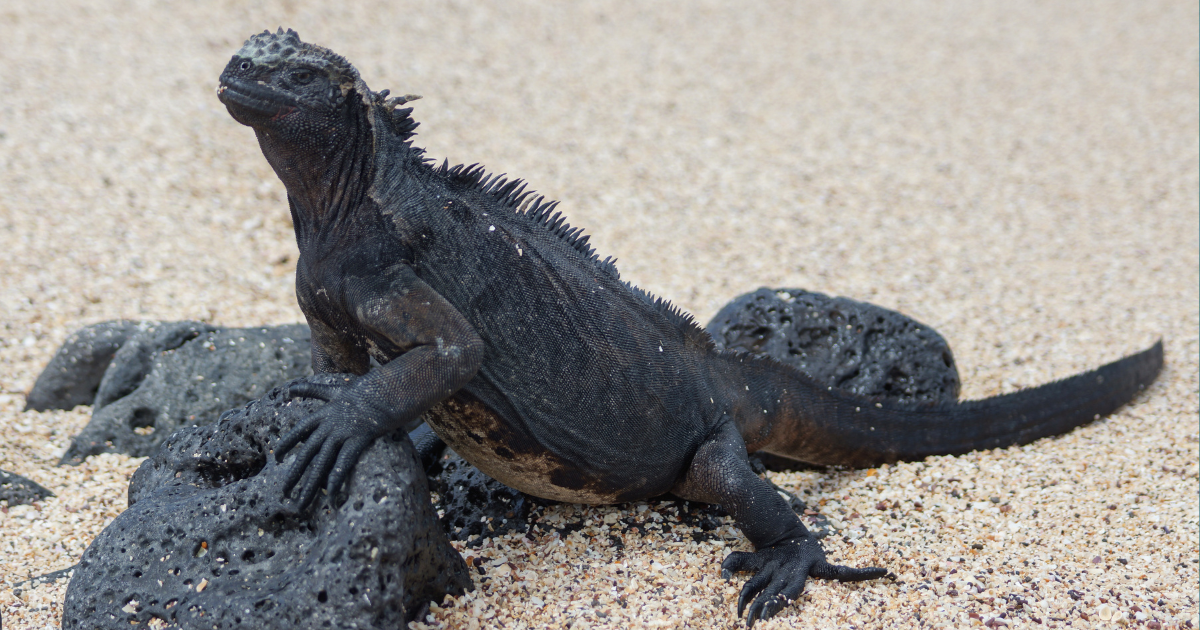
Marine iguanas are considered indicator species, meaning their health reflects the overall state of their environment. Because they are sensitive to changes in temperature, food availability, and habitat disruption, studying marine iguanas provides valuable insights into the impact of climate change and human activity on the Galápagos Islands. A decline in marine iguana populations often signals ecological shifts, such as changes in the abundance of algae or rising sea temperatures, making them an essential species for monitoring environmental health.
Conclusion: The Ocean's Only Lizard
The Marine Iguana is truly one of nature’s most extraordinary reptiles. From its ability to swim and dive for food to its remarkable adaptations for surviving in the harsh marine environment, the marine iguana stands out as a living testament to the power of evolution. These unique lizards have not only survived but thrived in the Galápagos Islands, playing an important role in maintaining the ecological balance of their habitat. Their fascinating behaviors, from salt expulsion sneezes to seasonal color changes, make them one of the most captivating species in the animal kingdom.
As both a symbol of Galápagos Island biodiversity and an indicator species for environmental health, marine iguanas remind us of the importance of conservation and the fragility of the ecosystems they inhabit. With continued efforts to protect the Galápagos Islands and their unique wildlife, the future of the Marine Iguana remains hopeful, ensuring that this incredible reptile will continue to capture the imaginations of generations to come.
Additional Resources for Wildlife Enthusiasts
- World Wildlife Fund (WWF)
Website: https://www.worldwildlife.org - National Geographic – Wildlife
Website: https://www.nationalgeographic.com/animals - The Galápagos Conservancy
Website: https://www.galapagos.org - The Nature Conservancy
Website: https://www.nature.org