
Table of Contents
Introduction: The Hidden Language of Elephants
Elephants are often admired for their towering size and graceful movements, but beneath the surface lies an intricate world of communication, emotion, and intelligence. These gentle giants engage in a complex array of behaviors that reflect strong social bonds, remarkable memory, and deep empathy. Understanding Elephant behavior allows us to glimpse the rich emotional lives they lead and how they maintain harmony within their herds. From subtle touches of the trunk to powerful low-frequency rumbles, elephants are constantly in conversation—often in ways humans are only beginning to decode.
The Structure of the Herd
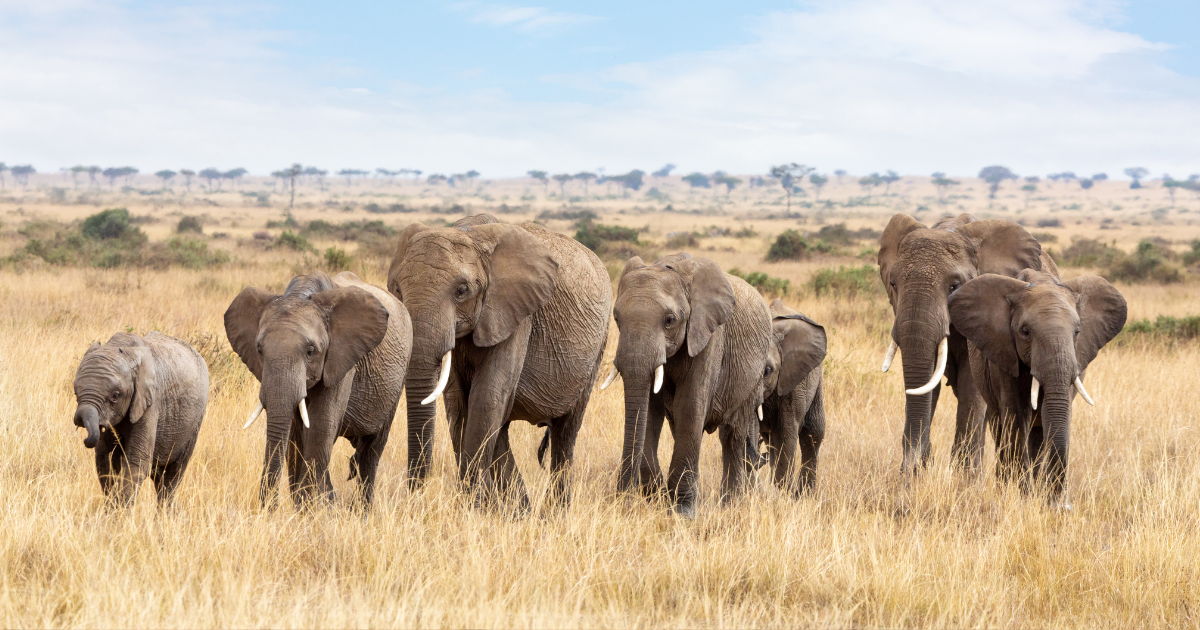
At the core of Elephant behavior is the tightly knit herd, typically led by a wise and experienced matriarch. These herds are composed of related females and their young, creating a stable and cooperative social unit. The structure of the herd plays a vital role in decision-making, protection, and nurturing. Observing how elephants organize themselves offers insight into their instinct for community and survival.
Matriarchal Leadership and Its Role
The matriarch is not only the leader but also the memory keeper of the herd. She guides her group based on past experiences—remembering distant water sources or migration paths in times of drought. Her leadership is built on knowledge, trust, and communication, making her central to Elephant behavior in both everyday interactions and crisis situations.
Bonds Between Mothers, Calves, and Siblings
Elephant calves are born into a world of care and affection. Mothers are deeply protective, and siblings often act as helpers, forming lifelong attachments. These strong family bonds are a hallmark of Elephant behavior, reflecting emotional depth and an innate capacity for cooperation. Calves learn by observing and mimicking, highlighting the importance of social learning within the herd.

Communication in the Wild
Communication lies at the heart of Elephant behavior, enabling these intelligent animals to coordinate movements, express emotions, and maintain social bonds across vast landscapes. Elephants use a rich combination of sounds, gestures, and even seismic signals to convey messages both subtle and profound. Understanding their methods of communication reveals just how sophisticated and emotionally aware these creatures truly are.
Vocalizations: Trumpets, Rumbles, and Roars
Elephants produce a wide variety of vocalizations, each with its own purpose and meaning. Trumpets are often associated with excitement, alarm, or play, while deep rumbles can express reassurance, bonding, or even long-distance communication. Roars and growls may occur during conflicts or displays of dominance. These vocal expressions are central to Elephant behavior, helping individuals communicate complex messages across changing emotional and environmental contexts.
Infrasound: The Silent Conversations
One of the most fascinating aspects of Elephant behavior is their use of infrasound—low-frequency sounds that travel several kilometers through the ground and air. These silent signals allow elephants to stay in touch with distant herd members, alert each other to danger, or coordinate movements during migration. Humans cannot hear these sounds unaided, which is why much of elephant communication remained a mystery until recent decades.
Body Language and Trunk Gestures
Elephants are also masters of nonverbal communication. A raised trunk can indicate alertness, while gentle trunk touches are often signs of affection or comfort. Flapping ears, posturing, and head shakes convey mood and intention. These physical cues play a vital role in daily interactions and form a silent but expressive language within the herd. Observing these subtle signals provides valuable insight into the nuances of Elephant behavior and emotional intelligence.

Emotions and Empathy
Elephants are renowned for their emotional intelligence—one of the most compelling aspects of Elephant behavior. They don’t just survive in the wild; they thrive through deep emotional connections, empathy, and shared experiences. Whether mourning a lost companion or celebrating a reunion, elephants display emotions in ways that are both relatable and profound. Their behaviors challenge the long-held notion that complex emotions are exclusive to humans and certain primates.
Mourning the Dead: Grief in Elephants
One of the most moving displays of Elephant behavior is how they react to death. Elephants have been observed gently touching the bones of deceased herd members, standing vigil over bodies, and even returning to the place of death years later. These mourning rituals suggest not only memory but a sense of loss and reverence—clear indicators of emotional depth and empathy.
Joy, Play, and Social Celebration
Elephants aren’t just capable of sadness—they also express joy. Calves playfully chase birds, splash in waterholes, and engage in mock battles. Adult elephants trumpet and twirl trunks during greetings and social bonding. These lighthearted moments are essential to group cohesion and individual well-being, underscoring the joyful and sociable nature of Elephant behavior.

Altruism and Helping Behavior
Stories of elephants helping injured herd mates, rescuing calves from mud pits, or showing concern for humans in distress are more than anecdotal—they’re supported by growing scientific evidence. Altruism is a recurring theme in Elephant behavior, where individuals often prioritize the welfare of others, even at personal cost. This ability to act with kindness and intention reflects a level of empathy rare in the animal kingdom.
Cognitive Abilities and Intelligence
Elephants are among the most intelligent animals on Earth. Their brains are the largest of any land mammal and are highly developed in areas responsible for memory, problem-solving, and emotion. The cognitive complexity behind Elephant behavior reveals a species capable of not just reacting to the world, but understanding it, remembering it, and even anticipating it. Their intellect rivals that of primates, dolphins, and some birds, positioning them as true thinkers of the wild.
Memory and Navigation Skills
The saying “an elephant never forgets” isn’t far from the truth. Elephants possess exceptional long-term memory, allowing them to recall water sources, migration routes, and individuals—even after years of separation. Matriarchs, in particular, rely on this memory to guide the herd through droughts or seasonal changes. This powerful recall is a key element of Elephant behavior, enabling survival in challenging environments.
Problem Solving and Tool Use
Elephants are natural problem solvers. They’ve been observed using branches to swat flies, digging holes to access underground water, and even modifying tools to achieve specific goals. In captivity, they’ve solved puzzles, opened gates, and worked cooperatively to complete tasks. Such behaviors highlight a level of reasoning and foresight that few animals exhibit, further emphasizing the impressive intelligence behind Elephant behavior.

Self-Awareness and the Mirror Test
Perhaps most strikingly, elephants have passed the mirror self-recognition test—a sign of self-awareness previously seen only in humans, apes, dolphins, and magpies. In this test, elephants can identify themselves in a mirror and even inspect marks placed on their bodies, indicating a concept of “self.” This self-recognition, coupled with empathy and memory, forms a profound foundation for the emotional and social sophistication of Elephant behavior.
Behavioral Differences Among Species
While African and Asian elephants share many traits, they also exhibit distinct behavioral patterns shaped by their environments, social structures, and evolutionary histories. Understanding these differences adds depth to our appreciation of Elephant behavior, showing how diverse and adaptable these animals truly are. Recognizing species-specific traits is also crucial for conservation strategies tailored to their unique needs.
African vs. Asian Elephant Social Patterns
African elephants typically form larger, more complex herds led by a dominant matriarch, with frequent social interactions across different family groups. In contrast, Asian elephants tend to live in smaller, more loosely connected herds. Males in both species often live solitary lives or form bachelor groups, but African males are more likely to maintain connections with the herd. These differences in Elephant behavior reflect not only genetic distinctions but also adaptations to local landscapes and ecological pressures.
Habitat Influences on Behavior
Elephant behavior is also shaped by their surroundings. Forest-dwelling elephants—like the African forest elephant or the Asian elephant in dense jungles—tend to be more elusive, relying on subtle communication and close bonds in tight quarters. Meanwhile, savanna elephants are more visible and vocal, often traveling great distances in search of food and water. Habitat fragmentation, human encroachment, and climate change are now forcing elephants to adapt even more rapidly, altering traditional behaviors and movement patterns.

Conservation Implications of Elephant Behavior
Understanding Elephant behavior is not just a matter of scientific curiosity—it’s vital for their survival. Conservation strategies that consider their social structure, communication methods, and emotional needs are far more effective than those that treat elephants as generic wildlife. As human-elephant conflict intensifies and habitats shrink, aligning conservation efforts with elephant behavior becomes essential to ensure their long-term protection and coexistence with humans.
How Understanding Behavior Aids Protection
When conservationists understand how elephants communicate, migrate, and form social bonds, they can design protected areas, corridors, and policies that better support elephant well-being. For instance, knowing that elephants follow ancient migration routes passed down through generations can help create wildlife corridors that maintain those paths. Behavioral research also informs anti-poaching strategies by identifying stress indicators and movement changes in response to threats.

Human-Elephant Conflict and Behavioral Adaptations
As human development encroaches on elephant habitats, conflicts over crops, water, and space have increased. Elephants, in turn, adapt their behavior—some becoming nocturnal to avoid humans, others raiding farms in coordinated groups. These behavioral shifts are a testament to their intelligence, but also a cry for help. By studying these patterns, conservationists and communities can develop more humane, effective solutions—such as early warning systems, barriers that respect migratory behavior, and community-based conservation models.
Conclusion: Listening to the Whispers of the Wild
Elephants do not shout to be heard—they whisper, rumble, and touch, expressing love, fear, joy, and loss through a silent yet profound language. To truly understand them, we must tune in to the subtle nuances of Elephant behavior—a language of memory, emotion, and connection passed down through generations.
By decoding their behavior, we unlock not just the secrets of a magnificent species, but a reflection of our own capacity for empathy, cooperation, and coexistence. In a world where human activities increasingly threaten the balance of nature, listening to the whispers of the herd reminds us that protecting elephants means protecting something fundamentally wise and ancient about the planet we share.
Additional Resources for Wildlife Enthusiasts
- World Wildlife Fund (WWF)Website: https://www.worldwildlife.org
- Elephant Conservation (Elephant Voices)
Website: https://www.elephantvoices.org - National Geographic – Animals
Website: https://www.nationalgeographic.com/animals - The Elephant Sanctuary in Tennessee
Website: https://www.elephants.com - International Elephant Foundation
Website: https://www.elephantconservation.org