
Table of Contents
Introduction:
Wild Water Buffaloes (Bubalus arnee) are among the most powerful and resilient herbivores in the natural world, yet they remain one of the least known. Towering over most of their domesticated relatives, these horned giants inhabit remote wetlands, swamps, and grasslands in parts of South and Southeast Asia. They are recognized for their impressive crescent-shaped horns, immense strength, and critical role in maintaining ecological balance in their native habitats.
Despite their significance, wild water buffaloes are classified as Endangered by the IUCN. With fewer than 4,000 individuals estimated to exist in the wild, their populations are rapidly declining due to threats like habitat loss, hybridization with domestic buffaloes, and human-wildlife conflict.
Physical Features and Size
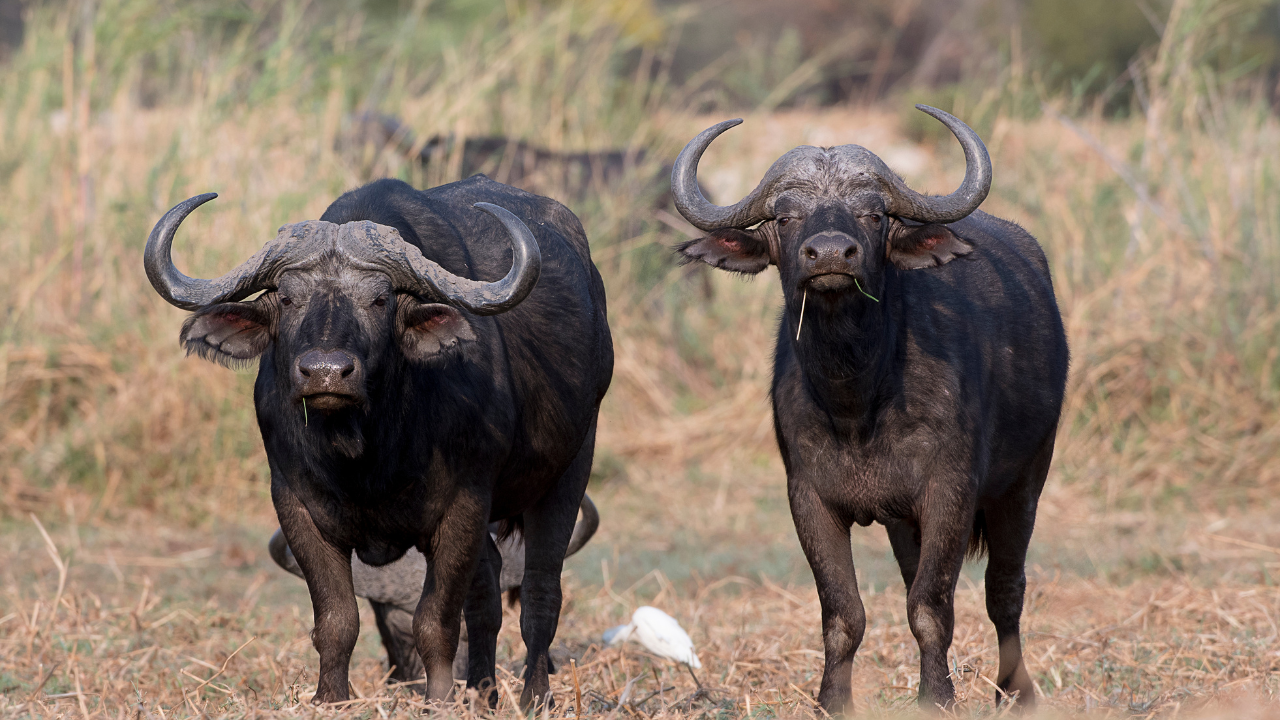
Massive and muscular, wild water buffaloes can weigh up to 1,200 kg (2,600 lbs) and stand up to 6 feet tall at the shoulder. One of their most iconic features is their enormous, crescent-shaped horns, which can span up to two meters across in males—making them the largest horns of any wild bovid. Their thick skin, large hooves, and strong legs are perfect for traversing swampy terrain.
Wild vs. Domesticated: Key Differences
While they may look similar at first glance, wild water buffaloes differ significantly from their domesticated counterparts. Wild buffaloes are larger, more aggressive, and genetically distinct. Domesticated buffaloes have been selectively bred for docility and productivity, whereas wild water buffaloes have retained their natural instincts, strength, and wariness of humans. Hybridization between the two is one of the major conservation challenges today, as it dilutes the genetic purity of the wild species.
Habitat and Distribution
Wild water buffaloes thrive in some of the most remote and biologically rich habitats on Earth. From floodplains and swamps to tall grasslands and tropical forests, these ecosystems offer the food, water, and cover that wild buffaloes need to survive. However, due to increasing human encroachment, their range has drastically shrunk, making their natural habitats fragmented and vulnerable.
Natural Range and Preferred Ecosystems
Historically, wild water buffaloes roamed widely across much of Asia—from India and Nepal to Thailand, Cambodia, and even parts of Southeast China. Today, their range is highly fragmented, with the largest remaining populations found in India (especially in Assam and Chhattisgarh) and a few in Nepal and Cambodia. They prefer wetlands, river valleys, floodplains, and grasslands near permanent water sources, where they can wallow, graze, and cool off in the tropical heat.

Role in Wetland and Grassland Ecosystems
Wild water buffaloes play a keystone role in their ecosystems. Their grazing habits help control vegetation, maintaining open grasslands that support many other species. Their wallowing creates shallow pools that benefit amphibians, insects, and even birds. By dispersing seeds and cycling nutrients through their dung, wild water buffaloes contribute significantly to ecosystem health and biodiversity.
Countries Where They Still Roam
Today, wild water buffaloes can be found in a handful of countries:
India: Home to the largest populations, especially in Kaziranga National Park and Udanti-Sitanadi Tiger Reserve.
Nepal: A small but stable population exists in Chitwan National Park and Koshi Tappu Wildlife Reserve.
Cambodia: A few scattered groups are reported, mainly in the northern provinces.
Bhutan and Thailand: Rare and possibly extinct in the wild; any sightings are highly significant for conservation.
Social Structure and Behavior
Wild water buffaloes are not just massive and muscular—they’re also intelligent, social animals with complex herd dynamics. Understanding how these horned giants interact, communicate, and behave in the wild reveals a lot about their needs and challenges. Their social lives are structured around safety, reproduction, and survival, making every group movement a calculated act of instinct and cooperation.
Herd Dynamics and Communication
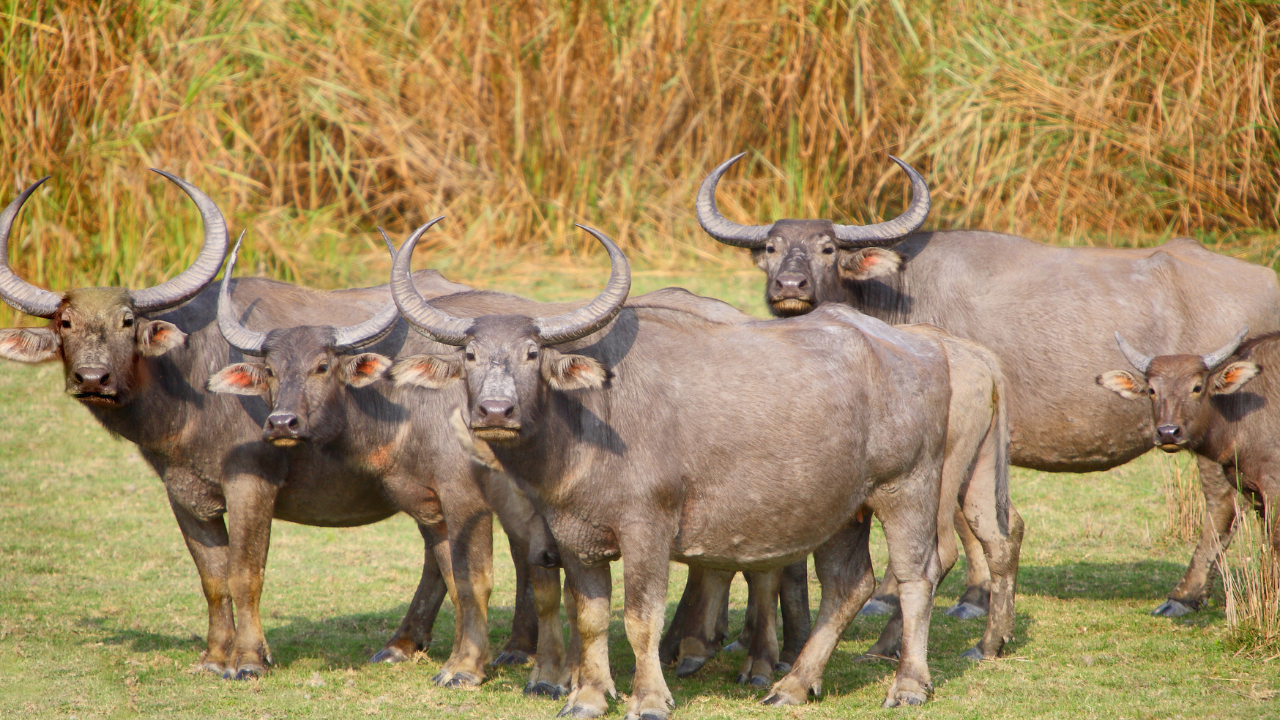
Wild water buffaloes typically form matriarchal herds led by an experienced female. These herds usually consist of females and their offspring, while males either live alone or form smaller bachelor groups. Herds may range from a few individuals to over 30, depending on habitat quality and season.
Communication is subtle but effective—using low-frequency grunts, snorts, and body language to convey warnings or coordinate movements. When threatened, the herd will form a defensive circle around the calves, showcasing their instinctual commitment to group protection.
Daily Routines and Seasonal Movements
Wild water buffaloes are largely diurnal, being most active during the early morning and late afternoon. They spend much of their time grazing, wallowing in mud or water to cool off and protect themselves from parasites, and resting in shaded areas.
During the dry season, herds may travel long distances in search of water, which often leads them into conflict with human settlements or domestic livestock. Their seasonal migrations are essential for maintaining access to fresh grazing areas and water sources, making habitat connectivity a critical conservation issue.
Defensive Behavior and Horn Use
Few predators dare challenge an adult wild water buffalo—but when threatened, these animals are capable of extreme aggression. Their massive, curved horns aren’t just for show—they’re powerful weapons used to defend against tigers, leopards, or intruding males.
Males often engage in ritualized horn clashes during the breeding season to establish dominance. These battles, while intense, are rarely fatal and play a vital role in herd hierarchy and mating rights. In the face of danger, the herd’s coordinated defense strategy makes wild water buffaloes a formidable presence in the wild.
Diet and Foraging Habits
Wild water buffaloes are herbivorous grazers with a diet that supports both their massive size and their role as ecosystem engineers. Their feeding behavior doesn’t just nourish them—it also shapes the landscape, supports biodiversity, and helps maintain the ecological health of wetlands and grasslands. Understanding what they eat and how they forage is key to grasping their ecological significance.
What Wild Water Buffaloes Eat
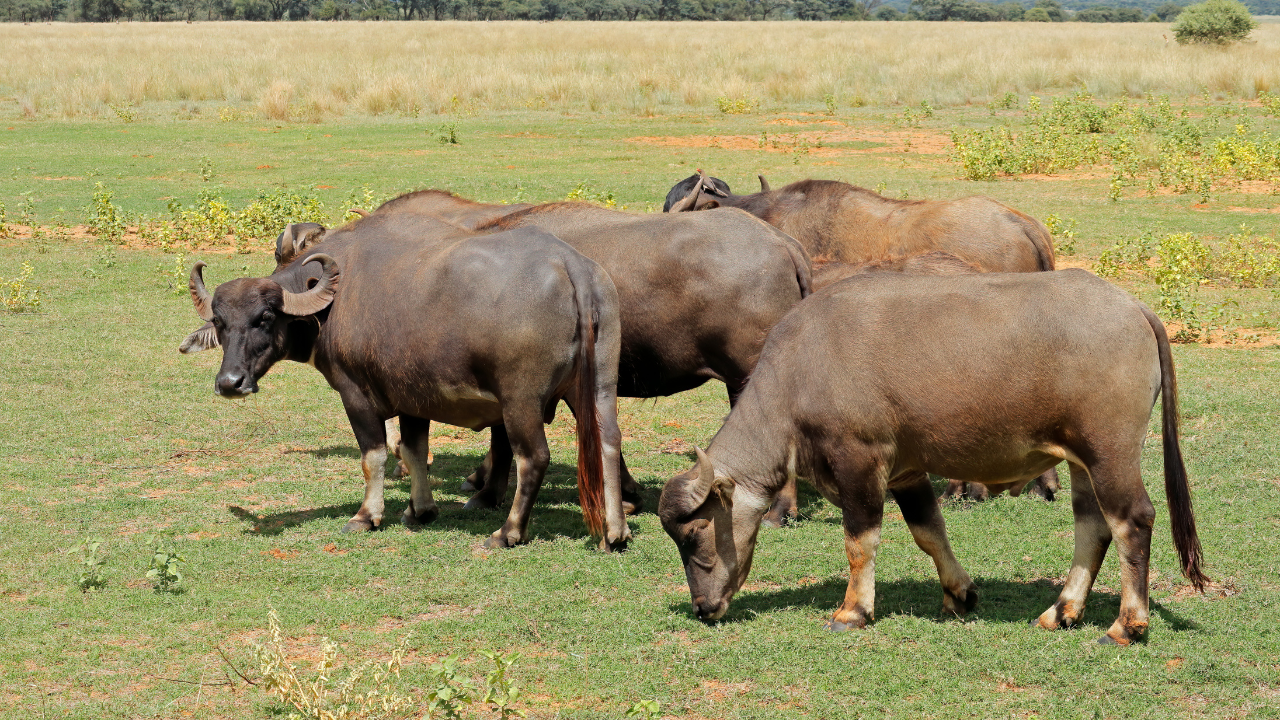
The diet of a wild water buffalo primarily consists of grasses, aquatic plants, herbs, and sedges. They prefer lush, tall grasses found in swampy or wetland environments but will also graze in open grasslands during drier periods. They are known to feed on species like Saccharum (wild sugarcane), Phragmites (reeds), and other nutrient-rich marsh plants.
In addition to grazing, wild water buffaloes are selective browsers, occasionally feeding on shrubs or tree bark when grass is scarce. Their large, tough mouths and wide-set teeth allow them to consume coarse vegetation that many other herbivores avoid.
Their Role as Grazers in Ecosystem Balance
By consuming vast amounts of plant material, wild water buffaloes act as natural mowers of the landscape. Their grazing keeps invasive plant species in check and prevents overgrowth, allowing for a mosaic of open and covered areas that benefit a wide range of organisms—from small mammals to ground-nesting birds and pollinators.
Moreover, their movement and foraging habits help with seed dispersal and nutrient cycling, as seeds pass through their digestive system and are deposited across the habitat through dung. Their mud-wallowing behavior also helps maintain waterholes and wetland microhabitats, benefitting amphibians and insects alike.
In short, wild water buffaloes are not just grazers—they are key ecosystem stewards.
Threats to Survival
Despite their immense strength and adaptability, wild water buffaloes face a range of threats that have pushed them to the brink of extinction. These threats are not just environmental—they’re deeply tied to human activity, habitat changes, and the loss of genetic purity. Protecting these majestic animals requires addressing these complex and urgent issues.
Habitat Loss and Fragmentation
The biggest threat to wild water buffaloes is the loss and degradation of their natural habitat. Wetlands, floodplains, and grasslands are being drained, cultivated, or encroached upon for agriculture, development, and infrastructure projects. As their territories shrink, buffaloes are forced into smaller, isolated pockets of land, reducing their access to food, water, and safe breeding areas.
Habitat fragmentation also makes it harder for herds to migrate seasonally and increases their vulnerability to predators and poaching.
Hybridization with Domestic Buffaloes
One of the most insidious threats is genetic pollution caused by interbreeding with domestic water buffaloes. When wild and domestic buffaloes share the same habitat, hybridization can occur—diluting the gene pool and threatening the distinct traits of the wild species.
This loss of genetic integrity is especially concerning because it’s often irreversible. True wild water buffaloes may eventually disappear not just physically but also genetically, replaced by hybrids that lack the same ecological role and resilience.
Human-Wildlife Conflict and Poaching
As human settlements expand into buffalo territory, conflict between people and wild water buffaloes becomes more common. These animals may trample crops or clash with livestock, leading to retaliatory killings by farmers. Additionally, some are hunted illegally for meat, horns, or out of fear.
Although protected by law in many countries, enforcement is often weak, and poaching continues to threaten already small and fragile populations.
Conclusion
The wild water buffalo is more than just a massive herbivore with imposing horns—it is a keystone species, a symbol of untamed wilderness, and a critical player in the health of its ecosystem. From shaping wetlands to supporting biodiversity, these animals contribute far more than their presence might suggest. Yet, they now teeter on the edge of extinction, threatened by habitat loss, genetic dilution, and human conflict.
Protecting wild water buffaloes is not just about saving a species—it’s about preserving entire landscapes and the delicate balance of nature within them. With increased awareness, stronger conservation actions, and global cooperation, there is hope for these horned titans to roam free for generations to come. Let us not allow their thunderous presence to fade silently from the wild.
Additional Resources for Wildlife Enthusiasts
“The Last Wild Buffalo” by Vivek Menon
– A detailed look into India’s wild water buffaloes, written by a renowned conservationist.“Mammals of South Asia” (Princeton Field Guides) by A.J.T. Johnsingh & Nisha Bhatt
– A comprehensive reference with information on all major wild mammals of South Asia.“Rewilding: The Radical New Science of Ecological Recovery” by Paul Jepson and Cain Blythe
– A global perspective on restoring wild populations and ecosystems.
One Comment
Very good https://shorturl.fm/TbTre