
Jellyfish are some of the most mysterious and ancient creatures in the ocean. These fascinating marine animals belong to the phylum Cnidaria and have been drifting through Earth’s waters for over 500 million years, making them one of the oldest known multi-organ animals. With their translucent, gelatinous bodies and long, flowing tentacles, jellyfish appear otherworldly. Despite their simple structure, they play a crucial role in marine ecosystems.
Table of Contents
What Are Jellyfish?
Jellyfish are free-swimming marine invertebrates that lack bones, a brain, or a heart. Instead, they rely on a simple nerve net to detect stimuli and coordinate movements. Their bodies consist primarily of water—about 95%—and are composed of three main layers: the epidermis (outer layer), mesoglea (gel-like middle layer), and gastrodermis (inner layer). One of the most interesting jellyfish facts is that they propel themselves using a pulsating motion, but they mostly drift with ocean currents, making them planktonic creatures. Some species, like the box jellyfish, are known for their powerful venom, while others, such as the moon jellyfish, are harmless to humans.

A Brief History of Jellyfish Evolution
Jellyfish have an ancient lineage that dates back to the Cambrian period, making them older than dinosaurs. Fossil evidence suggests that jellyfish have existed for at least 500–700 million years, adapting to various oceanic conditions. Unlike many marine species that have undergone significant changes, jellyfish have remained relatively unchanged, showcasing their evolutionary success. One of the most fascinating jellyfish facts is the discovery of Turritopsis dohrnii, also known as the immortal jellyfish, which has the ability to revert its cells to an earlier stage, essentially escaping death and restarting its life cycle. This unique ability has intrigued scientists studying aging and regeneration.
Jellyfish continue to thrive in oceans worldwide, from shallow coastal waters to the deep sea, proving their resilience and adaptability. Their long evolutionary history and survival strategies make them a remarkable subject of study in marine biology
Anatomy and Characteristics
Jellyfish are among the most unique and ancient creatures in the ocean, with a body structure that sets them apart from most marine animals. These fascinating invertebrates belong to the phylum Cnidaria and have thrived in the oceans for over 500 million years. Unlike fish, they lack bones, a heart, or even a brain, yet they have evolved remarkable survival mechanisms. Here are some essential jellyfish facts about their anatomy and movement.
The Structure of a Jellyfish
A jellyfish’s body consists of three main parts: the bell (medusa), tentacles, and oral arms. The bell is a gelatinous, umbrella-shaped structure that gives jellyfish their signature appearance. This bell is composed of a thick, jelly-like substance called mesoglea, which provides buoyancy. Inside, a simple nerve net helps coordinate basic functions, allowing jellyfish to detect stimuli in their surroundings. Their tentacles contain specialized cells known as nematocysts, which release venomous barbs to capture prey and defend against predators.
How Do They Move?
Unlike most marine creatures that use fins or tails for swimming, jellyfish move through a pulsation mechanism. They contract and relax their bell in rhythmic movements, pushing water behind them to propel forward. However, they are largely at the mercy of ocean currents, drifting along with tides and waves. Some species, like the box jellyfish, have a more advanced sense of direction and can actively swim toward specific locations using their primitive light-sensitive eye spots (ocelli).

The Role of Tentacles and Stinging Cells
One of the most well-known jellyfish facts is their venomous sting. Jellyfish tentacles serve two main functions: hunting and defense. Their nematocysts contain tiny, harpoon-like structures that inject venom into prey or potential threats. Depending on the species, jellyfish stings can range from mild irritation to severe pain, and in some cases, even fatal consequences for humans. Despite their simple body structure, jellyfish have evolved an efficient predatory mechanism, allowing them to immobilize small fish, plankton, and even crustaceans with ease.
Jellyfish Habitat and Distribution
Jellyfish are found in oceans all over the world, from shallow coastal waters to the deep sea, making them one of the most widespread marine creatures. These gelatinous animals thrive in a variety of marine environments, including warm tropical waters, temperate seas, and even the frigid depths of the Arctic and Antarctic. Some species prefer brackish waters in estuaries, while others, like the deep-sea Atolla jellyfish, inhabit the dark, high-pressure depths of the ocean. One of the most fascinating jellyfish facts is that they have been around for over 500 million years, adapting to different aquatic conditions without a brain or complex nervous system.
Where Do Jellyfish Live?
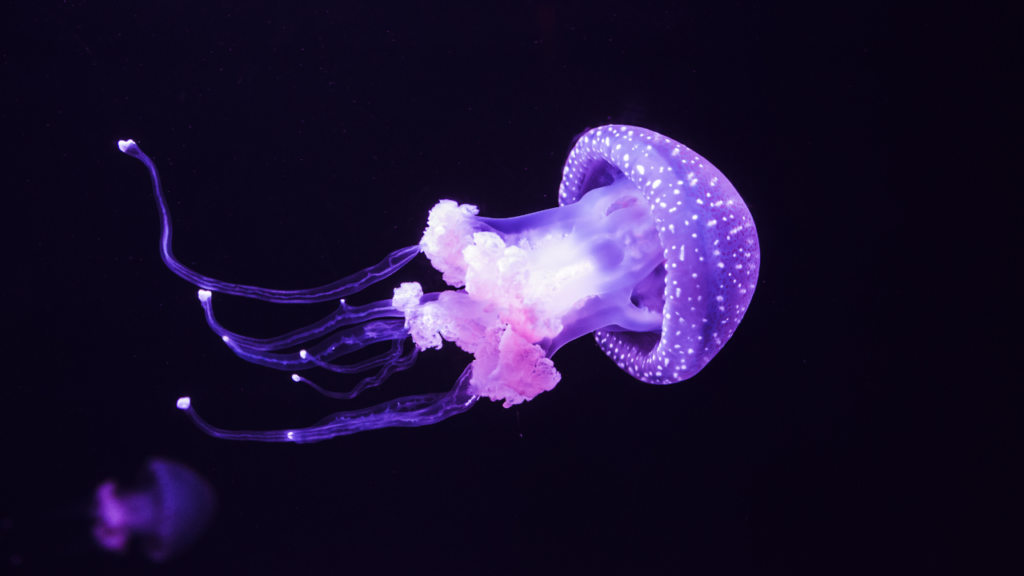
Jellyfish are drifters, meaning they rely on ocean currents to move rather than actively swimming like fish. They are most commonly found in coastal waters, where nutrients are abundant and currents help them travel. Certain species, like the moon jellyfish (Aurelia aurita), are frequently seen near beaches and harbors, while others, like the box jellyfish, are more prevalent in tropical regions, such as the waters off Australia and Southeast Asia. Interestingly, jellyfish blooms—large gatherings of jellyfish—can occur in areas with high pollution and low oxygen levels, where they outcompete other marine species.
Adaptations to Different Marine Environments
Jellyfish have developed remarkable adaptations to survive in various marine environments. Deep-sea jellyfish, such as the bloody-belly comb jelly, possess bioluminescence, allowing them to glow in the pitch-black depths of the ocean. Other species, like the lion’s mane jellyfish, can withstand freezing waters thanks to their thick, trailing tentacles that help them capture food in icy conditions. Meanwhile, the immortal jellyfish (Turritopsis dohrnii) has an extraordinary ability to reverse its aging process, making it biologically immortal. These jellyfish facts highlight how adaptable and resilient these creatures are, proving that they can thrive in nearly every corner of the ocean.
Jellyfish Habitat and Distribution
Jellyfish are carnivorous creatures that primarily feed on small marine organisms. Their diet consists of plankton, tiny fish, crustaceans, and even other jellyfish. Some species, like the box jellyfish, have a more specialized diet, preying on small fish with their highly venomous tentacles. Since jellyfish lack a brain and complex sensory organs, they rely on passive drifting and their stinging tentacles to capture food. These jellyfish facts highlight their unique method of feeding, which sets them apart from many other sea creatures.
What Do Jellyfish Eat?
Jellyfish are opportunistic feeders, meaning they consume whatever small organisms drift into their tentacles. Their primary food sources include zooplankton, shrimp, larvae, and small fish. Larger jellyfish species, such as the lion’s mane jellyfish, can consume bigger prey, including other jellyfish. Interestingly, some species have symbiotic relationships with algae, which provide them with nutrients through photosynthesis. These jellyfish facts emphasize their adaptability to different marine environments.
How They Catch Their Prey
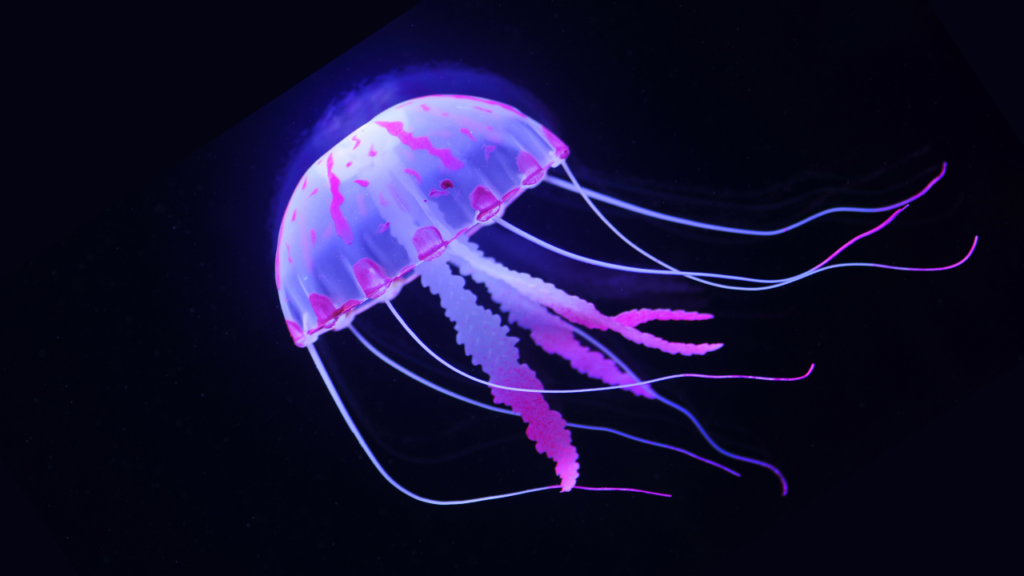
Jellyfish use their tentacles, which are lined with specialized stinging cells called nematocysts, to catch their prey. When an unsuspecting fish or plankton comes into contact with these tentacles, the nematocysts release venom, paralyzing or killing the prey instantly. The tentacles then bring the immobilized food toward the jellyfish’s mouth, located in the center of its bell. Since jellyfish do not actively chase their food, they rely on ocean currents to bring prey within reach. These jellyfish facts showcase the efficiency of their passive hunting strategy, which has allowed them to thrive in oceans worldwide.
Reproduction and Life Cycle
Jellyfish have one of the most fascinating life cycles in the animal kingdom, undergoing multiple transformations throughout their development. Unlike many marine creatures, their life cycle alternates between sexual and asexual reproduction, allowing them to thrive in various ocean environments. Understanding jellyfish facts about their reproduction sheds light on their resilience and adaptability in marine ecosystems.
The Unique Stages of Jellyfish Development
Jellyfish go through a complex life cycle that includes several distinct stages. It begins when adult jellyfish, known as medusae, release sperm and eggs into the water. Once fertilization occurs, the larvae, called planulae, develop and float through the ocean until they find a suitable surface to attach to. These larvae then transform into polyps, which resemble tiny sea anemones. Polyps can remain dormant for months or even years before budding off small, free-swimming ephyrae, which eventually grow into adult jellyfish. This transformation from polyp to medusa ensures that jellyfish populations can expand rapidly, sometimes leading to massive jellyfish blooms.
The Unique Stages of Jellyfish Development
Jellyfish exhibit both sexual and asexual reproduction, making them highly efficient at reproducing. In the sexual phase, adult medusae release eggs and sperm, leading to fertilization and the formation of planula larvae. However, in the asexual phase, polyps reproduce by budding, creating genetically identical clones. This asexual reproduction allows jellyfish to multiply even when conditions are unfavorable for sexual reproduction. Some species, like the immortal jellyfish (Turritopsis dohrnii), can revert back to the polyp stage after reaching adulthood, essentially avoiding death and continuing their cycle indefinitely.
Jellyfish and Their Venom
Jellyfish are famous for their stinging tentacles, which they use for defense and hunting. Their venom varies by species, with some delivering mild irritation and others causing severe pain or even fatal reactions. Understanding jellyfish facts about their venom can help people stay safe while exploring the ocean.
How Their Stings Work
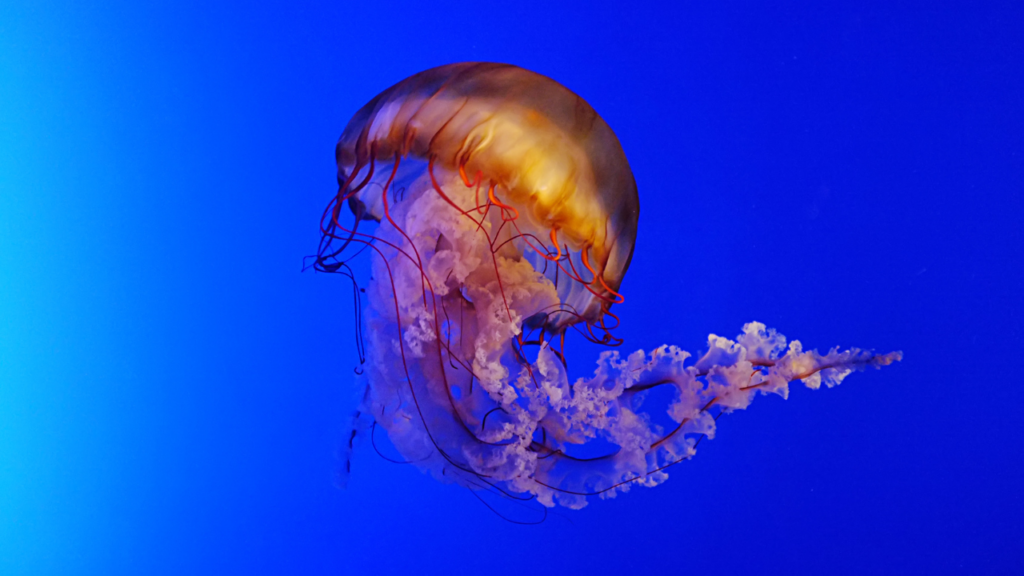
Jellyfish stings occur when their tentacles come into contact with the skin. The tentacles are covered in specialized cells called cnidocytes, which contain tiny, harpoon-like structures known as nematocysts. When triggered, these nematocysts inject venom into the victim, leading to symptoms like pain, redness, swelling, and, in severe cases, breathing difficulties or cardiac issues. Some jellyfish facts reveal that venom can paralyze small fish instantly, helping jellyfish catch their prey effortlessly.
Dangerous vs. Harmless Jellyfish Species
Not all jellyfish stings are dangerous to humans. Some species, like the moon jellyfish (Aurelia aurita), have weak stings that cause little to no harm. On the other hand, the box jellyfish (Chironex fleckeri) and the Irukandji jellyfish are among the most venomous, with stings that can cause extreme pain, paralysis, and even death. One of the most interesting jellyfish facts is that the Portuguese man o’ war, often mistaken for a jellyfish, is actually a colony of organisms and has a powerful sting that can be dangerous to swimmers.

First Aid for Jellyfish Stings
Knowing how to treat a jellyfish sting is essential, especially for those who frequent the ocean. The first step is to rinse the affected area with vinegar, which helps deactivate any remaining nematocysts. Avoid using fresh water, as it can worsen the sting. Carefully remove tentacle fragments using tweezers and soak the affected area in hot water for pain relief. Contrary to popular jellyfish facts, urinating on a jellyfish sting is not an effective treatment and can sometimes make the pain worse. If symptoms are severe, such as difficulty breathing or chest pain, seeking medical attention is crucial.
Jellyfish in the Ecosystem
Jellyfish play a crucial role in marine ecosystems, acting as both predators and prey. Despite their simple structure, these gelatinous creatures have a significant impact on ocean food chains and ecosystem balance.
Their Role in the Food Chain
Jellyfish serve as both hunters and a food source for other marine animals. They primarily feed on plankton, small fish, and even other jellyfish, using their tentacles to capture prey. In turn, they are eaten by sea turtles, larger fish, seabirds, and some marine mammals. This predator-prey relationship helps regulate fish populations, preventing overpopulation of certain species. Without jellyfish, the balance of some marine food webs could be disrupted, leading to cascading effects throughout the ecosystem.
Jellyfish Blooms and Their Impact on Marine Life
One of the most fascinating jellyfish facts is their ability to reproduce rapidly under the right conditions, leading to what is known as a jellyfish bloom—a sudden explosion in population. These blooms can be triggered by rising ocean temperatures, overfishing of natural predators like sea turtles, or increased nutrient pollution. While jellyfish blooms can provide a temporary food source for certain marine species, they can also have negative effects. Large swarms of jellyfish can outcompete fish for food, clog fishing nets, and even disrupt power plants by blocking cooling systems. Additionally, some blooms can reduce oxygen levels in the water, making it difficult for other marine life to survive.
By understanding the role of jellyfish in the ecosystem and the impact of their population surges, scientists can better predict and manage their influence on marine environments. These jellyfish facts highlight the complexity of ocean ecosystems and the delicate balance that keeps them thriving.
FAQs
What role do jellyfish play in the food chain?
Jellyfish are both predators and prey. They feed on plankton, small fish, and other jellyfish while serving as food for sea turtles, larger fish, and marine birds.
What causes jellyfish blooms?
Jellyfish blooms occur due to rising ocean temperatures, overfishing of natural predators, and nutrient pollution, leading to rapid population explosions.
How do jellyfish blooms affect marine life?
Large jellyfish blooms can outcompete fish for food, reduce oxygen levels in the water, clog fishing nets, and even disrupt coastal power plants.
Do jellyfish help maintain ocean biodiversity?
Yes, jellyfish help regulate fish populations by controlling plankton levels and serving as food for various marine species, contributing to ecosystem balance.
Can jellyfish overpopulation be prevented?
Managing pollution, protecting jellyfish predators like sea turtles, and reducing overfishing can help control jellyfish populations and prevent excessive blooms.