
Table of content
Introduction
Overview of the Magnificent Chromodoris
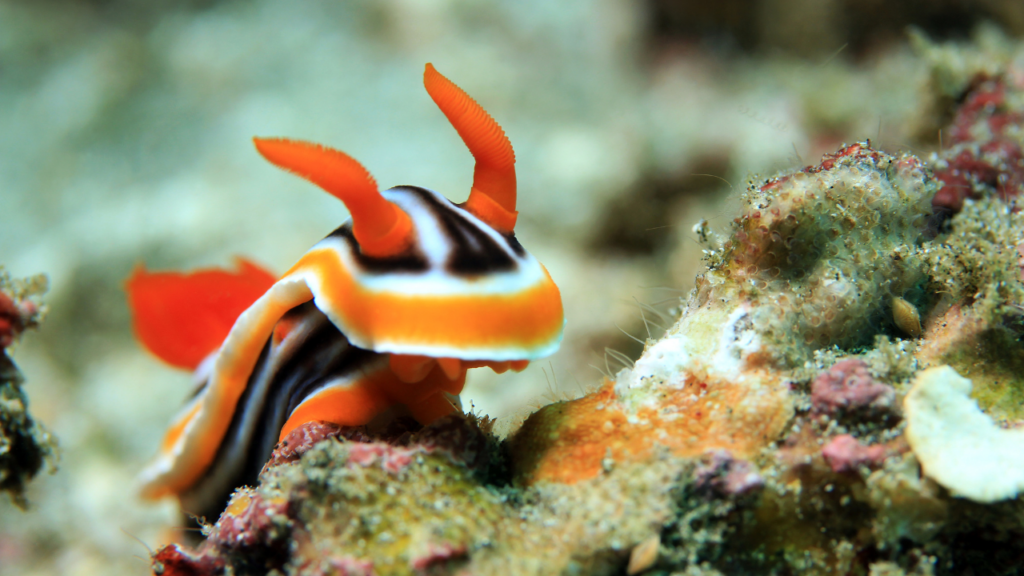
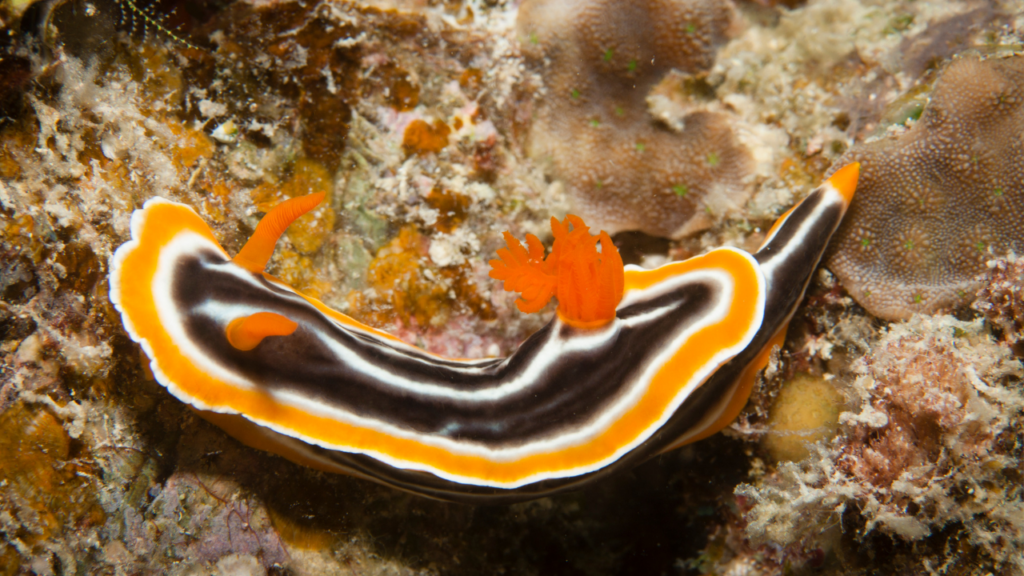
The Magnificent Chromodoris Nudibranch is a breathtaking species of nudibranch, celebrated for its striking coloration and intricate patterns. Belonging to the Chromodorididae family, this marine gastropod is a type of sea slug found in warm tropical waters, particularly in coral reef ecosystems. Unlike ordinary mollusks, the Magnificent Chromodoris has evolved to shed its protective shell in favor of other defense mechanisms, such as the ability to absorb toxins from its prey. Its vibrant hues serve as a warning to potential predators, signaling its chemical defenses. These dazzling colorations make it a favorite among divers, photographers, and marine biologists who study its unique adaptations and ecological role.
Importance of Studying This Nudibranch
The study of the Magnificent Chromodoris Nudibranch offers valuable insights into marine biodiversity, evolutionary adaptations, and ecological balance. As an indicator species, its presence or absence in a reef environment can reflect changes in water quality and habitat health. Additionally, research on its chemical defense mechanisms has the potential to contribute to biomedical discoveries, particularly in the field of natural toxins and pharmaceuticals. Understanding the behavior, diet, and reproduction of the Magnificent Chromodoris also helps scientists better comprehend the intricate relationships within marine ecosystems. By exploring this fascinating nudibranch, we gain a deeper appreciation for the delicate beauty and complexity of life beneath the waves.
A Closer Look at the Magnificent Chromodoris
The Magnificent Chromodoris belongs to the family Chromodorididae, a group of brightly colored sea slugs known as nudibranchs. Scientifically classified under the genus Chromodoris, this marine gastropod is a prime example of nature’s artistic brilliance. Nudibranchs, including the Magnificent Chromodoris, are well-known for their vivid coloration, which serves both aesthetic and survival purposes. Their classification within the order Nudibranchia highlights their unique evolutionary traits, such as the absence of a protective shell and the presence of exposed gill structures, which set them apart from other marine mollusks.
Taxonomy and Classification
The Magnificent Chromodoris Nudibranch is part of a diverse family of nudibranchs that showcase a wide array of colors and patterns. It falls under the class Gastropoda, which includes snails, slugs, and other mollusks. However, unlike many of its relatives, this species lacks a hard shell, relying instead on chemical defenses for protection. Nudibranchs like the Magnificent Chromodoris are distinguished by their cerata—finger-like appendages on their backs—that serve respiratory and defensive functions. Their taxonomic placement reflects their specialized adaptations, which allow them to thrive in marine environments.
Geographic Distribution and Habitat
The Magnificent Chromodoris Nudibranch is primarily found in tropical and subtropical waters, particularly within the Indo-Pacific region. It thrives in coral reef ecosystems, where it moves gracefully along the ocean floor in search of food. This species is commonly spotted in the waters surrounding Indonesia, the Philippines, Australia, and the Maldives, where the rich biodiversity of coral reefs supports its dietary needs.

Living at shallow to moderate depths, the Magnificent Chromodoris Nudibranch prefers warm, sunlit waters that promote the growth of its primary food source—sponges. These nudibranchs often inhabit rocky crevices, coral outcrops, and seabeds covered with sponge colonies, which provide both sustenance and camouflage. Their presence in reef ecosystems is a testament to the intricate balance of marine life, where each species plays a role in maintaining biodiversity.
Unique and Interesting Features
The Magnificent Chromodoris Nudibranch is not just another sea slug; it is a marvel of marine evolution, boasting a range of unique and interesting features that set it apart. From its dazzling coloration to its specialized survival strategies, this nudibranch captivates marine biologists and ocean enthusiasts alike. Let’s explore what makes the Magnificent Chromodoris such an extraordinary species.
Vibrant Coloration and Intricate Patterns
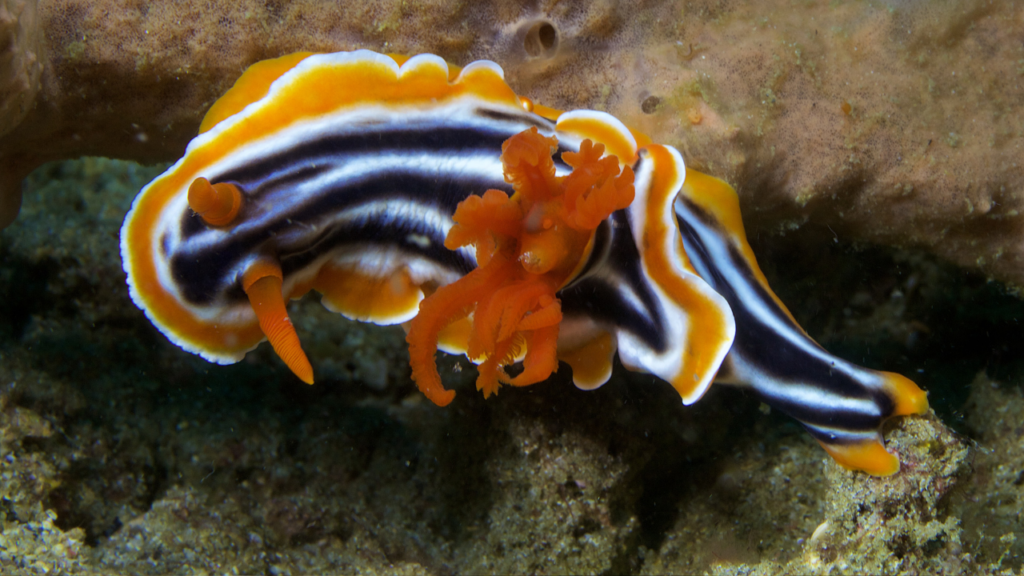
One of the most striking characteristics of the Magnificent Chromodoris is its brilliant coloration and intricate patterns. These nudibranchs display an array of vivid hues, including electric blues, deep purples, fiery oranges, and bright yellows, often outlined with contrasting borders. This stunning appearance is not just for show—it serves a critical function in the wild. The Magnificent Chromodoris Nudibranch uses its colors as a form of aposematic signaling, warning potential predators that it is toxic or unpalatable. This evolutionary advantage helps it avoid becoming a meal while blending seamlessly into the vibrant coral reef environment.

Specialized Defense Mechanisms
Unlike many marine creatures that rely on speed or camouflage, the Magnificent Chromodoris has developed specialized defense mechanisms to deter predators. Instead of producing its own toxins, this nudibranch extracts chemical compounds from the sponges it consumes. These toxins are stored in its body, making it highly unappetizing to fish and other marine predators. Additionally, some species of Chromodoris can secrete a noxious mucus, further discouraging attacks. This chemical warfare strategy allows theMagnificent Chromodoris Nudibranch to navigate the ocean with confidence, relying on its natural biochemical defenses.
Adaptations for Survival
Beyond its vivid colors and toxic deterrents, the Magnificent Chromodoris exhibits remarkable adaptations for survival in its underwater world. As a nudibranch, it lacks a protective shell, yet it thrives due to its ability to detect and respond to environmental changes. Its rhinophores—sensory organs located on its head—help it detect chemical cues in the water, allowing it to locate food and avoid predators. Additionally, its gill-like structures, called cerata, not only aid in respiration but also help in storing toxins absorbed from its diet. These adaptations make the Magnificent Chromodoris Nudibranch a resilient and highly specialized species, perfectly suited to its coral reef habitat.
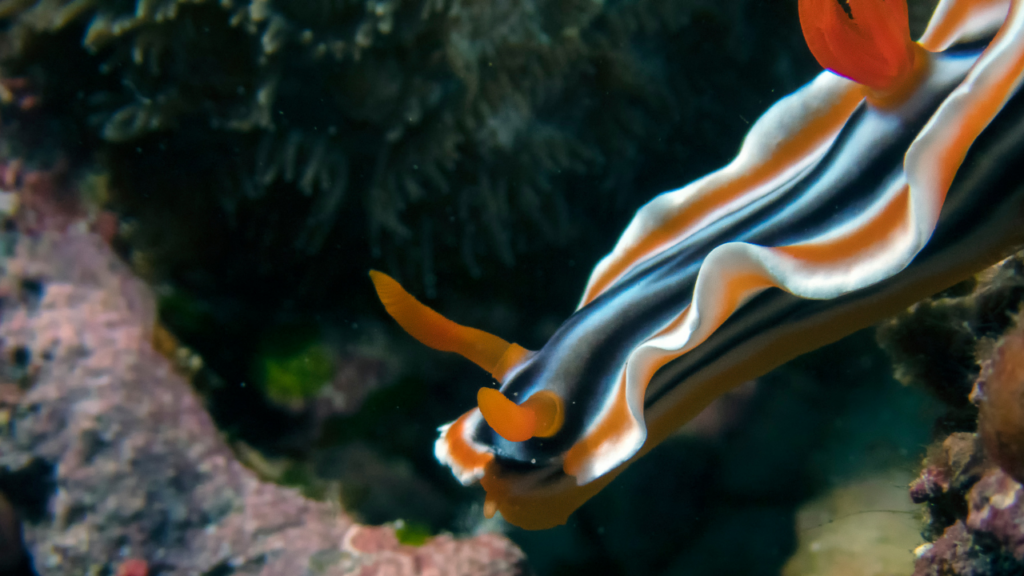
The combination of dazzling colors, chemical defenses, and advanced sensory adaptations makes the Magnificent Chromodoris one of the most fascinating creatures in the marine world. These features not only help it survive but also contribute to its allure as one of nature’s most extraordinary nudibranchs.
Ecological Role and Behavior
The Magnificent Chromodoris plays an essential role in maintaining the delicate balance of marine ecosystems. As a species of nudibranch, it contributes to the biodiversity of coral reefs and helps regulate populations of specific marine organisms. Despite its small size, this vibrant sea slug showcases fascinating ecological behaviors, from its feeding habits to its reproductive strategies, making it a crucial part of underwater life.
Feeding Habits and Diet
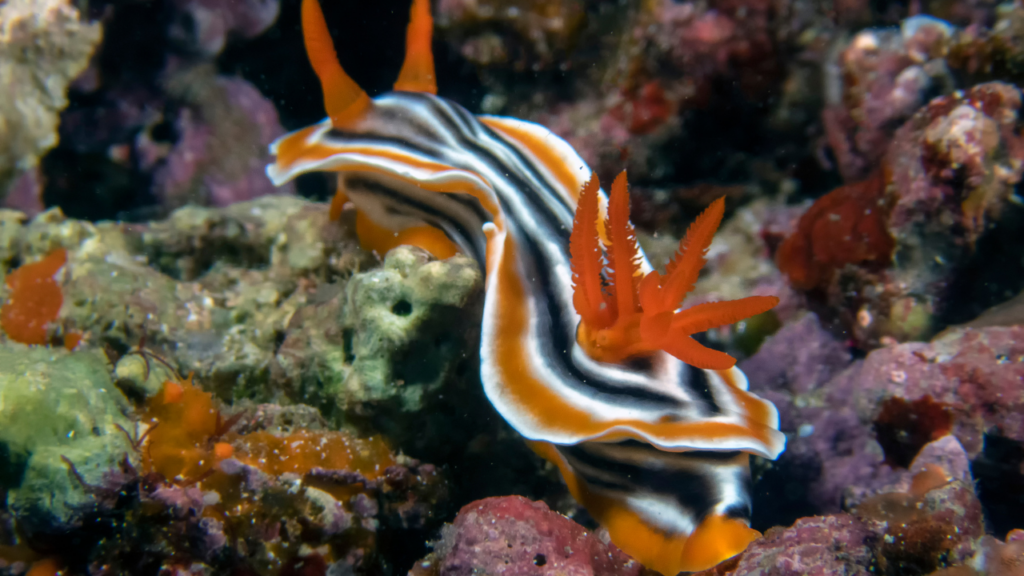
The Magnificent Chromodoris is a carnivorous nudibranch with a specialized diet. It primarily feeds on sponges, particularly toxic ones, which it absorbs and repurposes for its own defense mechanisms. This ability to extract and store toxins from its prey makes it unpalatable to potential predators. Unlike many marine creatures, the Magnificent Chromodoris Nudibranch lacks a protective shell, relying instead on this chemical defense and its bright warning coloration to deter threats. Its feeding behavior not only helps control sponge populations but also influences the composition of reef communities.
Interactions Within the Ecosystem
The Magnificent Chromodoris is an important component of the coral reef ecosystem. Its presence indicates a healthy marine environment, as nudibranchs thrive in rich, biodiverse waters. By consuming sponges, it prevents overgrowth that could otherwise impact coral reefs’ structural integrity. Additionally, some small marine organisms, such as tiny shrimp and fish, have been observed following Magnificent Chromodoris nudibranchs, possibly benefiting from their chemical defenses. This species also serves as prey for a few specialized predators that have evolved resistance to its toxins, further linking it to the marine food web.
Reproductive Strategies
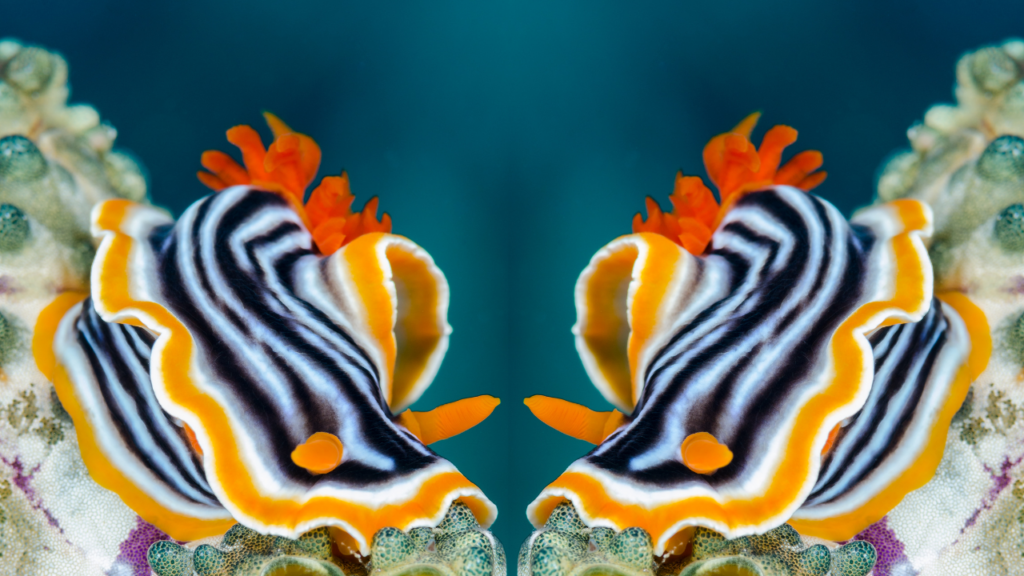
Like other nudibranchs, the Magnificent Chromodoris is hermaphroditic, meaning it possesses both male and female reproductive organs. However, it still requires a partner for fertilization. During mating, two individuals align their bodies and exchange sperm, ensuring genetic diversity within the population. After mating, the Magnificent Chromodoris lays ribbon-like egg masses on rocks or coral surfaces. These eggs eventually hatch into free-swimming larvae, which drift with ocean currents before settling on the reef to develop into their stunning adult form. This reproductive strategy increases their chances of survival in the dynamic marine environment.
Conservation and Research
The Magnificent Chromodoris is a visually stunning yet often overlooked marine species. While nudibranchs like Chromodoris are not currently classified as endangered, their populations are increasingly threatened by habitat destruction, climate change, and pollution. Coral reefs, the primary habitat of the Magnificent Chromodoris, are facing unprecedented stress due to rising ocean temperatures, acidification, and human activities such as coastal development and destructive fishing practices. Protecting these fragile ecosystems is crucial for ensuring the survival of this remarkable nudibranch and other marine species that depend on healthy reef environments.
Current Conservation Status
Although the Magnificent Chromodoris is not officially listed under any major conservation threat categories, the degradation of coral reef habitats poses a significant risk to its population. As reefs decline due to coral bleaching, pollution, and habitat destruction, nudibranchs face a loss of food sources and shelter. Conservation efforts aimed at marine protected areas (MPAs), sustainable tourism, and reef restoration are vital to preserving the natural environments where Chromodoris thrives. Increased awareness about the impact of human activities on marine biodiversity is necessary to ensure the long-term survival of this fascinating species.
Ongoing Research and Future Directions
Marine biologists continue to study the Magnificent Chromodoris to better understand its role within the reef ecosystem and its unique biological adaptations. Research on chemical defenses and toxin production in Chromodoris species has led to fascinating discoveries, particularly regarding their ability to deter predators using compounds derived from their diet. Additionally, scientists are exploring the potential biomedical applications of these marine-derived compounds, which could contribute to future pharmaceutical advancements.
Future research on the Magnificent Chromodoris will likely focus on its response to environmental changes, genetic diversity, and population dynamics across different regions. Advances in underwater imaging and molecular biology techniques will provide deeper insights into the evolutionary history and ecological significance of this nudibranch. Conservationists and marine researchers emphasize the importance of preserving coral reef habitats as a key strategy for protecting Chromodoris and other marine species that depend on these vibrant ecosystems. By supporting marine conservation efforts, we can help safeguard the future of the Magnificent Chromodoris and ensure that these incredible sea slugs continue to flourish in the world’s oceans.
Fun Facts and Common Myths
Surprising Tidbits About the Chromodoris
The Magnificent Chromodoris is not just a pretty face in the ocean; it’s a creature full of surprising behaviors and traits. One fascinating fact is that this vibrant nudibranch can actually store the toxins from the sponges it eats, making it unappealing to predators. This ability to absorb and retain toxins is part of what makes the Magnificent Chromodoris so magnificent, as it can use its diet as a natural defense mechanism. Another surprising tidbit is that despite its delicate appearance, the Magnificent Chromodoris is quite resilient and can thrive in a variety of marine environments, from shallow reefs to deeper waters.
Debunking Popular Misconceptions
There are several myths about the Magnificent Chromodoris that need clarification. For example, many people mistakenly believe that all nudibranchs are slow movers, but the Magnificent Chromodoris can move surprisingly fast when it needs to escape predators. Another common misconception is that their bright coloration is purely decorative. In fact, the vivid hues of the Magnificent Chromodoris serve a critical purpose in warning potential predators about its toxicity, a survival tactic known as aposematic coloration. These facts highlight just how extraordinary this nudibranch truly is, dispelling myths and shedding light on the true marvels of the Magnificent Chromodoris.
Conclusion
Recap of Key Insights
In conclusion, the Magnificent Chromodoris is a true marvel of the ocean, showcasing an array of unique and fascinating features that make it a standout species among nudibranchs. From its vibrant coloration and intricate patterns to its specialized defense mechanisms, the Magnificent Chromodoris is a living testament to the wonders of marine life. This nudibranch’s role in the ecosystem, as a consumer of various marine organisms and a potential prey item, highlights its importance in the delicate balance of coral reef ecosystems.
The Future of Chromodoris Studies
Looking ahead, the future of Chromodoris studies holds exciting possibilities. As researchers continue to explore the behaviors, genetics, and ecological impact of the Magnificent Chromodoris, new discoveries are sure to shed light on its survival strategies and potential contributions to marine biodiversity. Understanding this species better will not only enhance our appreciation of these fascinating creatures but also deepen our knowledge of marine ecosystems and their ongoing conservation needs. The Magnificent Chromodoris remains a subject of intrigue and inspiration, promising a wealth of research opportunities in the years to come.